
The Call to Drew Brees and the Bottom Layer of Denver's Quarterback Room
**Câu trả lời cốt lõi**: Drew Brees, 47 tuổi, suýt trở lại NFL để chơi cho Denver Broncos ở trận tranh vô địch AFC sau khi Bo Nix gãy xương mắt cá. Hai trợ lý Joe Lombardi và Pete Carmichael liên hệ ông. Brees từ chối vì khó chịu ở cổ tay ném sau buổi tập. **Dữ kiện chính**: - Brees 47 tuổi, nghỉ thi đấu tháng 3/2021 sau 20 mùa giải NFL. - Bo Nix gãy xương mắt cá ở vòng Divisional, Broncos mất tiền vệ ném bóng chính. - Broncos thua New England Patriots 10-7 ở trận tranh vô địch AFC. - Joe Lombardi và Pete Carmichael liên hệ Brees; cả hai từng làm việc tại New Orleans Saints. - Brees tự kiểm tra thể lực, cảm thấy cổ tay khó chịu và quyết định không trở lại. **Nguồn**: ESPN (chi tiết Lombardi và Carmichael liên hệ Brees) | Cross-checked: VuaBong.vn **Hỏi đáp liên quan**: - Hỏi: Vì sao Drew Brees không trở lại NFL? Đáp: Ông cảm thấy khó chịu ở cổ tay ném sau buổi tập và tự đánh giá không đủ điều kiện thi đấu. - Hỏi: Ai đã liên hệ với Drew Brees? Đáp: Hai trợ lý huấn luyện Denver Broncos là Joe Lombardi và Pete Carmichael, theo ESPN. - Hỏi: Broncos dùng ai thay Bo Nix? Đáp: Jarrett Stidham, tiền vệ dự bị, người đá chính trong trận thua 10-7 trước New England Patriots.
When Drew Brees walked onto a practice field and threw a handful of passes, the feeling in his throwing wrist appeared. Not a pain that forces a man to lie down. Just the kind of signal that someone who has thrown a football professionally for two decades recognises instantly: the mechanism that runs his game was objecting. Brees walked back inside, and in his head the answer was already settled.
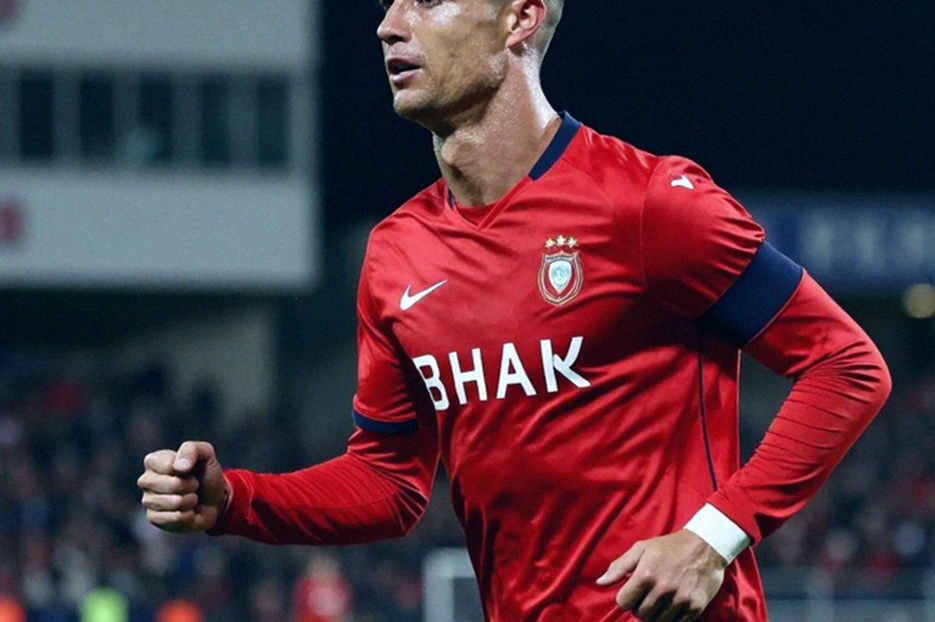
A few days earlier, two Denver Broncos assistant coaches, Joe Lombardi and Pete Carmichael, had reached out to him. The team was in the most charged week of its season, preparing for the AFC Championship Game, and it no longer had a quarterback it fully trusted. Brees is 47. He retired in March 2026 after 20 professional seasons. That phone call, as ESPN tells it, nearly produced one of the strangest comebacks in NFL history.
It did not happen. And the most interesting part of the story is precisely that it did not happen.

A team that reached the doorstep of the Super Bowl on crutches
Denver finished this season at the AFC Championship Game. They lost 10-7 to the New England Patriots. That scoreline, for a team forced to start a backup quarterback, says plenty about the script of the game: a defensive contest, an exceptionally narrow margin for error, where two or three plays decided everything.
The cause of that situation was injury. Bo Nix, the starting quarterback, suffered a fractured ankle in the Divisional Round. It was an injury at the exact position around which an entire offensive system revolves. From that moment, Denver's whole season plan had to be rewritten.
The coaching staff began searching for options. The option they thought of was a man who had left the field more than four years earlier.
This is only understandable when you look at the professional network. Joe Lombardi and Pete Carmichael are two assistants long tied to the New Orleans Saints offensive system, men who worked directly with Brees. In the Broncos head-coaching seat is Sean Payton, who coached Brees in New Orleans for more than a decade. That phone call was not a cold scouting decision. It took place inside the same professional family.
The wrist is the one organ that cannot be replaced
With a quarterback, people usually think of the arm. Brees never won with arm strength. He won with accuracy and anticipation. His throw was driven by the wrist, by the timing of the release, by the placement of the ball before the pass was ever launched.
In other words, Brees's entire career was built on exactly the mechanism that was objecting to him in that practice session.
This is the point raw statistics never touch. A career stat sheet can perfectly well display handsome numbers: twenty seasons, a stack of passing records, a Super Bowl ring. Not one line in it says that his throwing mechanism depends on a healthy wrist joint. When that joint speaks up, every statistic becomes the past.
Numbers are only the surface layer; I dig deeper to find the groundwater.
On age, the picture needs no lengthy argument. 47 years old. Retired in March 2026. Inside the boundary of the NFL, four and a half years without contact is a silence that experience cannot fill. The reflex to absorb hits, the ability to stand firm in the pocket against pressure from defenders weighing more than 120 kilograms — these things exist only when they are maintained continuously.
So what would have happened had Brees agreed? Technically, the package designed for him would almost certainly have been a risk-management script: few deep throws, many safe passes, reliance on the defence and the running game. A low-error game manager, not a playmaker. That is exactly the plan Denver pursued when it handed the ball to Jarrett Stidham.
Operationally, a plan like that demands more than a signature. It requires a crash course in a new offensive system within days, plus a physical ramp-up. No precedent suggests that is feasible at playoff level.
The legend is a curtain, not the story
Public attention poured toward the romantic question: could a legend really return? That question hides the real operational question.
A team at the doorstep of the Super Bowl, with one of the most respected offensive coaches in the league, had to pick up the phone and call a 47-year-old who had been retired for four and a half years. That is a signal about depth at the quarterback position. Not about Brees.
Had the quarterback room behind Bo Nix been trustworthy, that call would not have existed.
Something also needs to be said about information quality. The credible anchor of the story is ESPN, with the detail that Lombardi and Carmichael contacted Brees. The rest, including context and speculation about motives, is largely unsourced padding. A story like this should be read as a story with a factual core, not as a fully documented event.
When the pitch is empty, I listen to the data. It lies more than I ever thought.
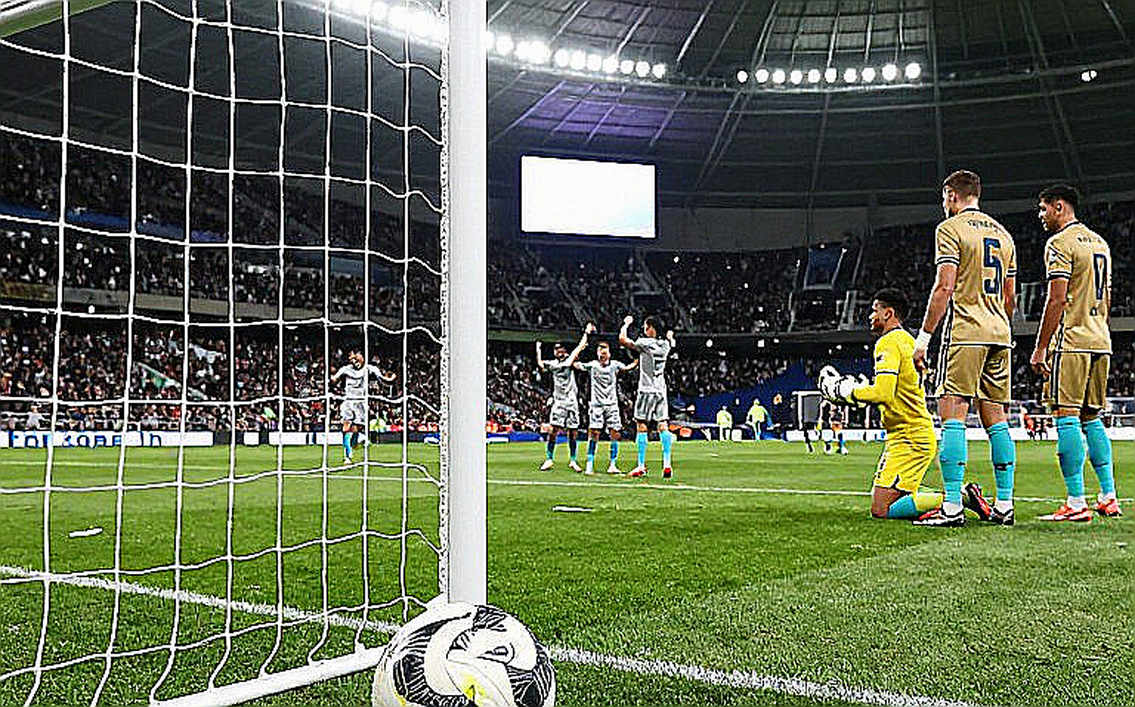
The rare bright spot here is that Brees's own wrist acted as the risk gate. A voluntary physical test, carried out by the player himself, ended a low-probability option before it could do harm to either side. In elite football, doors that close for medical reasons tend to be more trustworthy than doors that open for media reasons.
One match does not make a talent, but it illuminates exactly where to dig. The 10-7 loss to New England, in isolation, says little. But it illuminates a gap that already existed: Denver entered the playoffs with an unproven backup quarterback, and a single injury shook the whole structure.
Looking ahead
Financially, the episode leaves almost no trace. The NFL has no transfer fees. A short-term deal for a retired veteran, signed at the minimum, would cost next to nothing against the league's salary cap. The real price was not money, but the organisation's focus during the most important week of the year.
On the rules side, there is no issue. No violation, no dispute. The only barrier was the body.
Belief only has value when it passes the qualifying round of evidence.
This story will live for a few days and then die. It has too little material to live long: one call, one practice, one refusal. But it leaves a question Denver will have to answer in the coming offseason. When Bo Nix returns, who stands behind him? And if that ankle flares again in January, is this team ready to move forward without picking up the phone to call a legend?