
Rafael Stone in Turkey: Two Weeks with Alperen Sengun and a Negotiation Without Numbers
Core answer: Rafael Stone, Tổng giám đốc Houston Rockets, đã dành hai tuần tại Thổ Nhĩ Kỳ thăm Alperen Sengun trong mùa hè, tập trung xây dựng quan hệ trước thềm đàm phán gia hạn hợp đồng tân binh. Sengun bước vào năm cuối hợp đồng tân binh và đủ điều kiện ký gia hạn quanh ngưỡng 25% trần lương. Key facts: - Rafael Stone dành hai tuần tại Thổ Nhĩ Kỳ cùng Alperen Sengun. - Sengun bước vào mùa thứ tư NBA, năm cuối hợp đồng tân binh. - Sengun yêu cầu Stone giao tiếp nhiều hơn; Stone giảm bớt áp lực. - Houston tuyên bố "đã đến lúc phải cạnh tranh". - Thông tin Kevin Durant gia nhập Houston cần được kiểm chứng độc lập. Source: Phỏng vấn Rafael Stone, tháng 8 năm 2024 | Cross-checked: VuaBong.vn Related Q&A: Q: Alperen Sengun có đủ điều kiện ký gia hạn tối đa không? A: Có, anh bước vào năm cuối hợp đồng tân binh và đủ điều kiện ký gia hạn quanh ngưỡng 25% trần lương. Q: Kevin Durant có thật sự ở Houston Rockets? A: Thông tin này chưa được xác nhận chính thức và cần kiểm chứng độc lập. Q: Vì sao Stone chọn Thổ Nhĩ Kỳ? A: Để xây dựng quan hệ trước thềm đàm phán gia hạn và củng cố vị trí của Sengun trong đội.
Two weeks in Turkey. Rafael Stone, General Manager of the Houston Rockets, did not bring an analytics deck, did not bring an extension offer. He brought only time. For an NBA general manager, two weeks in the middle of summer is the equivalent of leaving the war room exactly when the trade market is hottest. Stone called it a trip he had "promised for four years."
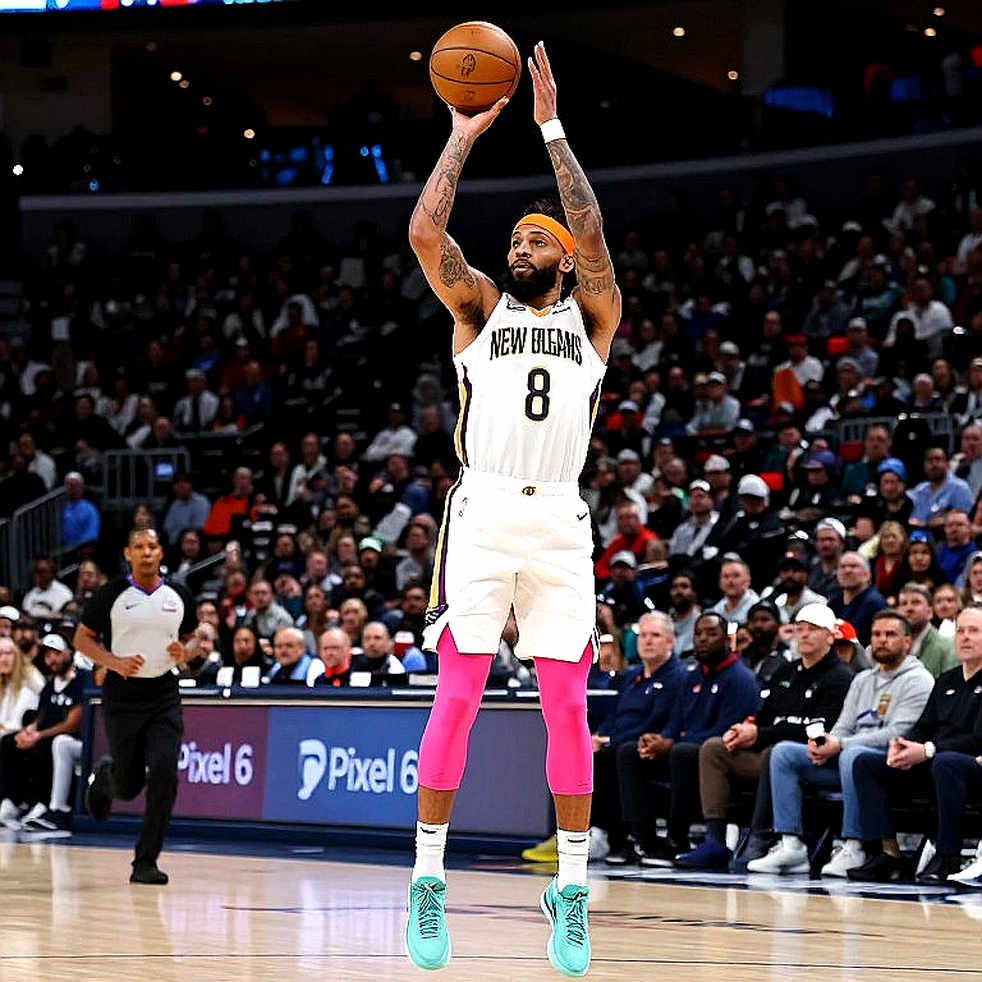
The story worth reading is not the trip. It is the line Alperen Sengun sent back: "I want to hear from you more."
In twelve years of watching this industry, I learned something that sits outside every box score: I don't watch the game. I watch the people betting on it. And in Houston right now, the smartest bettor is not the bookmaker — it is the general manager who chose to spend his personal time betting on a 22-year-old center.
Context: a center in the final year of his rookie deal
Sengun is entering his fourth NBA season. He was drafted at a modest position, but across three seasons his value has risen faster than any other asset in Houston's young core. He is a playmaking center — scoring near the rim, passing like a guard, creating space for cutters.
This summer is also the final year of his rookie contract. That means Sengun is extension-eligible, projected around 25 percent of the salary cap — the tier reserved for cornerstone players. This is not a small detail. The window for this kind of negotiation typically closes before the season tips off. If no deal is signed, Sengun enters his final season as a restricted free agent next summer, controlling his own fate.
The Turkey trip lands exactly inside that window. Not a coincidence.
Core analysis: when communication becomes strategy
In the interview, Stone shares two details worth more than any metric.
First, Sengun told him: "You should communicate better. You're always around, but I want to hear from you more." Second, Stone admitted that in his first two years he was "always on Sengun" and has tried to "back off a little bit."
Together, the two lines reveal a reversed model. The era of coaching through pressure is over; the era of negotiating through relationship has begun. For a rookie, being watched every step is normal. For a player about to sign a nine-figure deal, being watched becomes a signal of doubt.
Sengun did not ask for the ball. He asked for presence.
This is the point most commentary skips. People read this story as a warm human-interest piece about a coach-player bond. Read through a data lens, it is a risk-management move. When an asset appreciates faster than expected, the organization must lock it in before the market reprices it.
Stone admitted Houston "knows it is time to compete." At the same time, Sengun "continues to grow in importance" for the team. Together, the two statements form an equation: the team needs to win now, and its youngest but most important player needs to be convinced his future is in Houston.
I once sat in front of a screen in the summer of 2026 and realized the ball is not the most readable thing. Big trades, extensions, trips with no press conference — that is where the landscape is redrawn. The Turkey trip belongs to exactly that category.
Contrarian angle: the trip is not a gift, it is leverage
The easiest reading is a kind GM flying halfway around the world to visit a player. That reading is not wrong, but it is incomplete.
If Sengun is repriced by the market, he has options. Turkey is a passionate basketball market, and a star like him always has a door back to Europe. That is leverage. A smart GM does not use a contract to fight leverage — he uses relationship.
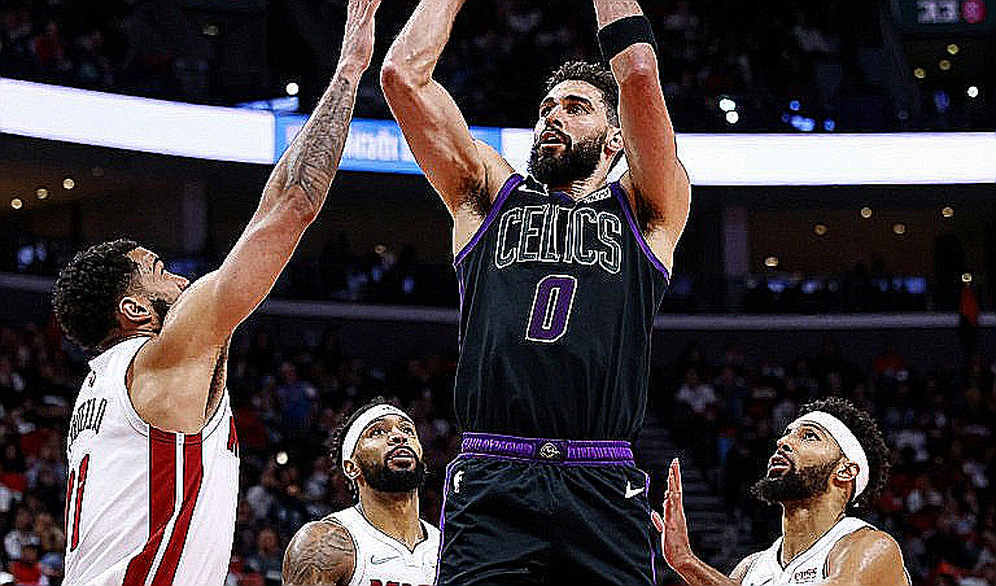
But here is a piece of data that needs cleaning. In reports around this story, there is a claim that Kevin Durant is on the Houston Rockets roster. I have to be clear: that claim requires independent verification before entering any analysis. Every isolated number is a lie; only when placed side by side does the truth begin to vomit out. No official announcement confirms it, and the way it appears does not match how major deals are usually reported.
If the claim is true, it overturns the whole story. A team with Durant is a win-now team, meaning Sengun could lose touches and his playmaking role. In that case, two weeks in Turkey is no longer a gift — it is preparation for a harder negotiation.
If the claim is false, it says something else: a sign of a weak source, and every other detail in the original should be read with corresponding skepticism.
There is one more layer few see: Sengun is an ambassador for Turkish basketball. A team that knows how to care for an international star gains an edge in the eyes of young talent from Europe and South America. The two-week trip is not just for one player — it is a statement to an entire talent market.
What to watch next
Sengun saying "you should communicate better" is a signal he feels safe enough to bargain. That is a good sign for team culture, but also a sign he knows his worth.
In my industry, people enter the business because they love basketball. I entered because I wanted to prove that luck is just a form of data poverty. Stone's Turkey trip is another variation of the same equation: when there are no numbers to persuade, people use time.
The question left behind: is two weeks enough for Houston to keep Sengun with a deal before the season starts — or does it only buy a few months, before next summer turns him into the real test of the entire long-term strategy?