
NBA Europe: Adam Silver's Global Expansion Gamble and the Gaps Nobody Has Filled
**Câu trả lời cốt lõi**: NBA Europe là giải đấu bóng rổ do NBA đề xuất tổ chức tại châu Âu, hiện đang trong giai đoạn đàm phán với EuroLeague. Ủy viên Adam Silver xác nhận tiến triển và hứa công bố thêm trong vài tuần tới, nhưng chưa có định dạng, câu lạc bộ hay cơ quan quản lý nào được nêu tên. **Dữ kiện chính**: - Adam Silver công bố sau cuộc họp Hội đồng Thống đốc NBA tại New York. - NBA Europe sẽ "kết hợp câu lạc bộ mới và hiện có" theo mô hình kiểu NBA. - Đàm phán với EuroLeague đang tiến triển; chưa có thỏa thuận chính thức nào. - Mở rộng song song tại Las Vegas và Seattle đang được thảo luận. - Phó Ủy viên Mark Tatum dẫn dắt thông điệp truyền thông về NBA Europe. **Nguồn**: Tuyên bố công khai của Adam Silver sau cuộc họp Hội đồng Thống đốc NBA | Cross-checked: VuaBong.vn **Hỏi đáp liên quan**: - Hỏi: NBA Europe là gì? Đáp: Đây là giải đấu bóng rổ do NBA đề xuất tổ chức tại châu Âu, dự kiến kết hợp các câu lạc bộ mới và hiện có theo mô hình thi đấu kiểu NBA. - Hỏi: Khi nào NBA Europe ra mắt? Đáp: Chưa có ngày cụ thể; Adam Silver chỉ cam kết "nhiều thông báo hơn trong vài tuần tới" mà không nêu mốc thời gian chính thức. - Hỏi: EuroLeague có tham gia NBA Europe không? Đáp: Đàm phán giữa NBA và EuroLeague đang diễn ra nhưng chưa có thỏa thuận, theo tuyên bố của Adam Silver.
After the NBA Board of Governors meeting in New York, Adam Silver stepped before the media with a short message: the NBA is moving closer to a competition called "NBA Europe," and more announcements will come "in the coming weeks."
I read the transcript of that press briefing three times from a small apartment in Shanghai, thirteen time zones away from New York. No league was announced. No clubs were named. No format, no salary structure, no launch date. Only two phrases repeated over and over: "talks with the EuroLeague are progressing" and "this is a historic opportunity."
For a transfer reporter, the gaps in an announcement sometimes matter more than what is said. Silver does not speak carelessly. Every word has passed through the communications department. And when a league commissioner voluntarily mentions "Las Vegas and Seattle" in the same message about Europe, that signals a carefully staged agenda, not an off-the-cuff remark.
Europe is the most developed basketball market outside the United States
The NBA has pursued Europe for decades. But unlike previous attempts, when the league stopped at preseason friendlies or regional offices, this time it is a regular competition called "NBA Europe" — operated by the NBA itself. Silver described the goal as "an NBA-style competition in Europe that combines new and existing clubs." He also emphasized a desire to "build on the extraordinary tradition" of European basketball rather than replace it.
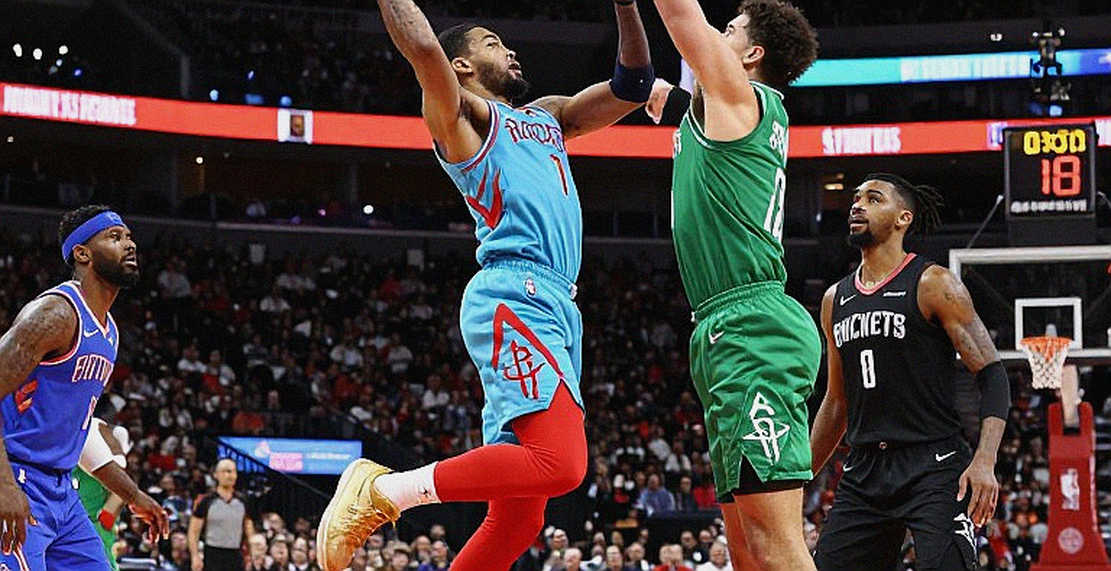
In a broader context, this is part of a two-pronged growth strategy: international expansion and domestic expansion. Mentioning Las Vegas and Seattle — the two most frequently cited US expansion markets — in the same release shows the leadership is running both tracks simultaneously. It is no coincidence that a Board of Governors meeting in New York produced this statement at the precise moment when team owners are weighing two massive investments at once.
To understand why NBA Europe matters, one must grasp the current power structure of European basketball. The EuroLeague is the continent's elite club competition, operating under a model where clubs are shareholders. FIBA is the global governing body of basketball, with a voice on national federations and the calendar. Any cross-border league operated by the NBA must pass through three parallel regulatory systems: NBA rules, EuroLeague agreements, and the FIBA framework. There is no precedent for that in modern basketball history.
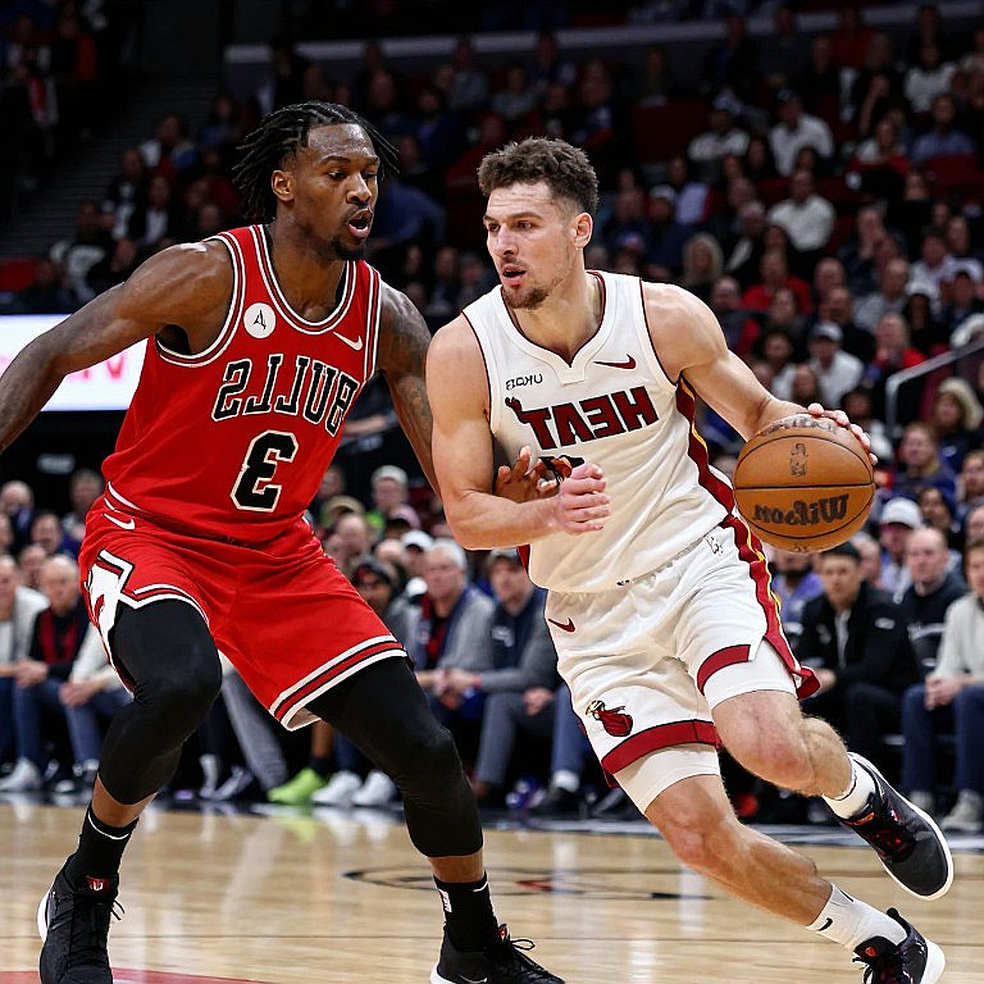
One personnel detail is worth noting: the person tasked with mentioning NBA Europe in the release was not Silver but Deputy Commissioner Mark Tatum, who oversees business and operations. This signals the project is being pushed through the commercial channel, not the basketball operations channel. In other words, it is a business project before it is a competitive one — a deliberate arrangement.
Central insight: The NBA is shifting from "a US league with a global audience" to "a global league operator," and Europe is the first test case.
In business logic, the driving force behind NBA Europe is media rights. A new league in Europe means a new package of goods: regional broadcast rights, jersey sponsorships, equipment contracts, and data for the legal betting markets expanding across Europe. This is a content-inventory argument, not merely a sporting event. When Silver says "historic opportunity" twice in the same answer, he is speaking to team owners, not fans. Team owners are the ones who must vote through any investment.
In institutional logic, Silver's emphasis on EuroLeague talks shows the NBA understands that EuroLeague consent is a necessary condition. A unilateral entry would trigger reactions from both the EuroLeague and FIBA. Instead, the "combining new and existing clubs" model is a way to keep top clubs onside — giving them a place in the new league rather than turning them into rivals. This is a classic strategy of an entity seeking to inherit a partner's cultural capital rather than be seen as an outside interloper.
Looking at the structural map, four tiers can be imagined: the NBA as the incumbent global top league, creating a new entity; NBA Europe as the proposed competition with an undefined format; the EuroLeague as the elite European club competition, positioned both as competitor and partner; and European national leagues facing potential disruption to their calendars and rosters. At the bottom layer are two US expansion markets: Las Vegas and Seattle.
Four variables will determine the project's success or failure.
First, the outcome of EuroLeague talks. This is the most important question. If it becomes a partnership, NBA Europe is integrative — European clubs gain additional exposure to the NBA brand. If it becomes a rivalry, it is a war for talent and sponsors, with the EuroLeague on the defensive.
Second, the new-plus-existing clubs model. Keeping incumbent teams reduces resistance from stakeholders, but raises questions about revenue sharing and qualification slots between old and new clubs. This is the most dispute-prone point in any joint-venture league.
Third, parallel US expansion. Las Vegas and Seattle appearing in the same release shows the NBA is handling two fronts at once. This creates pressure on the league office itself — both in management bandwidth and political capital. A cross-border project and two new US teams are three enormous investment files running in parallel.
Fourth, announcement cadence. "The coming weeks" is a commitment with a deadline. If no concrete announcement appears, the league's credibility will be damaged in a measurable way. In the sports media industry, an unfulfilled promise typically creates a cycle of skepticism longer than the delay itself.
The blind spot in the official story
The biggest blind spot is this: nobody is talking about governance.
Who will run NBA Europe? The NBA, a joint venture with the EuroLeague, or an entity with FIBA involvement? This is not an administrative question. Governance determines whether NBA or FIBA rules apply, how player discipline is handled, how eligibility is defined, and how calendar conflicts with national leagues are resolved. In Silver's message, not a single word touches this.
This is the signature of a pre-announcement phase, not a completed deal. In the industry, when a deal has ripened, people usually leak at least one concrete detail — a club name, a format outline, a timeline. Here, everything is blank. Parameter-free optimism is a risk signal, not a positive indicator.
The biggest near-term risk is not the EuroLeague saying "no," but expectations being misplaced. Silver publicly committed to "more announcements in the coming weeks." If weeks pass with nothing concrete, that will be a visible setback. I was once burned by a transfer source, and the biggest lesson was: a statement without parameters is usually a test balloon, not an imminent fact. Being burned once is not frightening; what is frightening is acting like someone who has never stumbled.
There is another risk rarely mentioned: European fans may view NBA Europe as a commercialization of local basketball culture. Silver's "build on tradition" message is a reasonable soothing gesture, but it only has value if accompanied by concrete evidence — a few partner clubs, a revenue-sharing mechanism, a guarantee on domestic league calendars. None of that has appeared. And in European basketball, where fans bond with clubs across generations, cultural resistance can be stronger than any legal obstacle.
What to watch next
What to watch next is not rumors, but three concrete signals: the names of participating European clubs, the official governing body of NBA Europe, and FIBA's public reaction. If within the coming weeks the NBA announces at least two of those three, the project is on the right track. If there are only more directional statements without details, reporters should start questioning the project's real timeline.
There are deals that go undisclosed because consensus is missing, and I know that when I listen to fans before calling sources. With NBA Europe, the voice of European fans will be the earliest indicator — not the status updates from leadership. Once the stands in Belgrade, Athens, or Istanbul start speaking, we will know where this project is heading. And if the NBA is truly serious about "building on tradition," it will have to prove that by listening to the very people who have kept the flame of European basketball burning for so many decades.