
Odd wind, weed smell, and the detail Sabalenka did not need a stat sheet to prove
Câu trả lời: Aryna Sabalenka thắng Kamilla Rakhimova 6-3, 6-4 tại vòng ba US Open 2025 dù bị mùi cần sa từ ngoài sân làm phiền giữa trận. Cô phản ánh với trọng tài, cười xòa trong họp báo và kéo dài chuỗi trận không thua set. Sự kiện chính: - Sabalenka là đương kim vô địch US Open hai năm liên tiếp. - Mùi cần sa được mô tả là nồng, bay vào khu vực thi đấu theo gió. - Cô hạ Rakhimova 6-3, 6-4 để vào vòng bốn. - Đối thủ tiếp theo là tay vợt nước chủ nhà Taylor Townsend. Nguồn: The Guardian, 31/8/2025 | Cross-checked: VuaBong.vn Hỏi đáp liên quan: - Hỏi: Sabalenka có dừng trận đấu không? Đáp: Cô không dừng trận, chỉ nói chuyện với trọng tài và tiếp tục thi đấu. - Hỏi: Cần sa có vi phạm luật thi đấu không? Đáp: Cần sa hợp pháp tại New York và sự việc được xem là yếu tố môi trường, không phải vi phạm luật thể thao. - Hỏi: Vì sao vòng bốn quan trọng với Sabalenka? Đáp: Taylor Townsend có lợi thế sân nhà và lối chơi lưới có thể kiểm tra khả năng thích nghi của đương kim vô địch.
Flushing Meadows has its own kind of wind: it shifts suddenly and can change the ball's trajectory if a player does not adapt quickly. On this afternoon, the wind carried something stronger than stadium smoke. Aryna Sabalenka was serving in the second set when she stopped, turned to the chair umpire and said something brief. The crowd did not understand at first, but after the match she made reporters laugh with her own description: “I thought something was on fire, but it turned out I was getting high.”
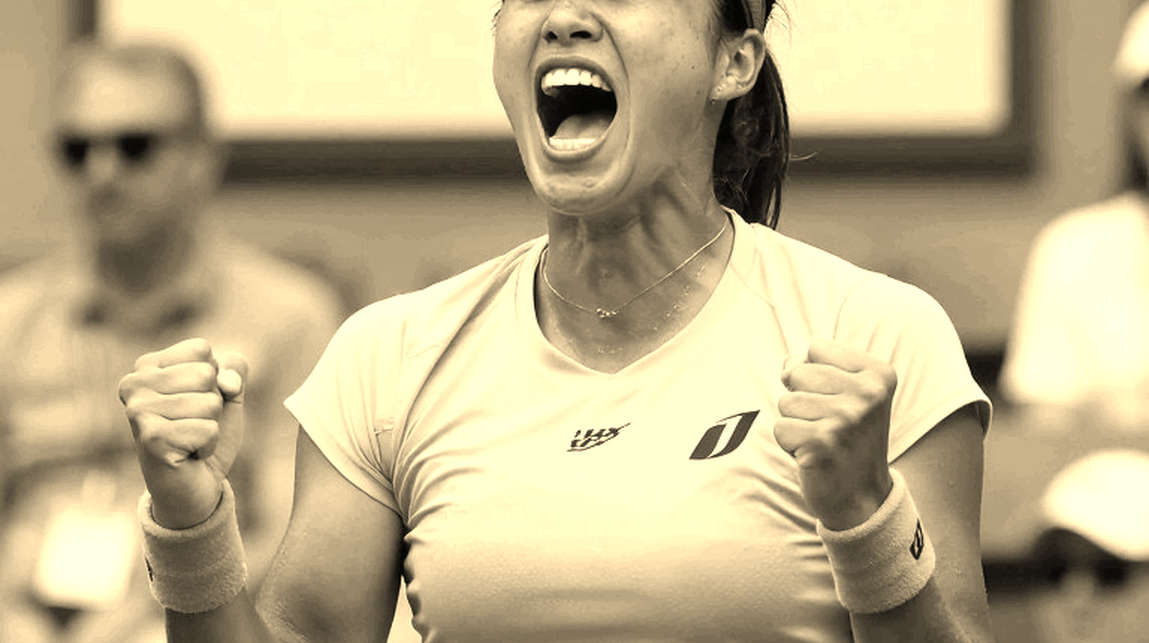
The third-round match ended 6-3, 6-4 in Sabalenka's favor against Kamilla Rakhimova. The context matters more than the score: Sabalenka is the two-time defending champion and has not dropped a set at Flushing Meadows. Cannabis is legal in New York, but the boundary between personal behavior and professional competition is not always settled by law. She did not stop the match, call for a coach or ask for a doctor. She complained to the umpire, nodded, and returned to the baseline.
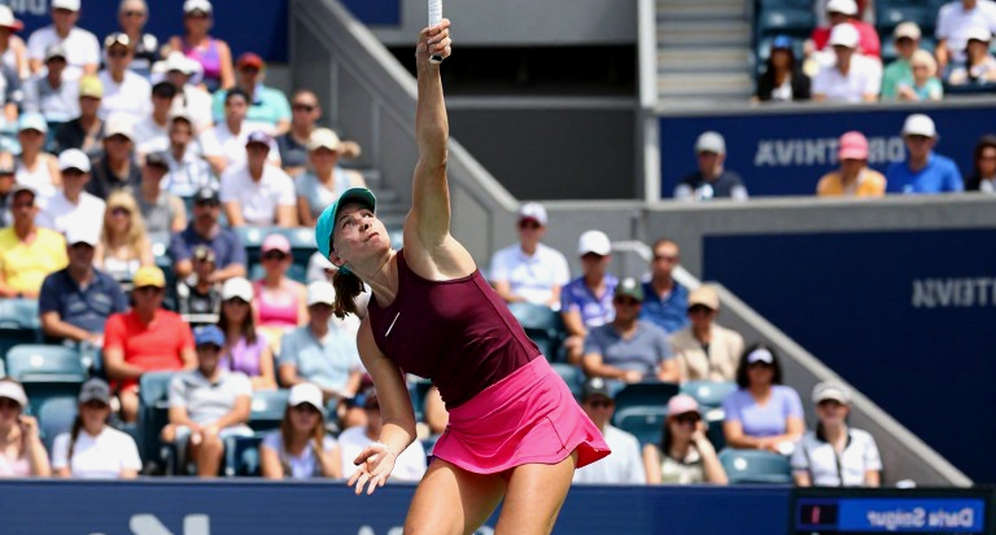
For someone who reads probability distributions, this match did not offer much data: no first-serve percentage, no return points won, no winner-to-error chart. But when detailed data is missing, the way she stayed steady after being bothered by the smell is the most valuable signal: she did not allow an outside variable to break her serving routine. Fans watch with their eyes; I watch with probability distributions. With the available evidence, I estimate the cannabis smell had a low impact on the result, below the threshold that would change the scoreboard. Rakhimova did not have the depth to exploit one distracted moment.
What stops me is not Sabalenka's reaction. When facing a vague disturbance, many players would stretch the pause, ask for a court check, or pressure the umpire. She chose the shortest path: complain, nod, return to play. That made the story funny. But the truth is buried deeper than the scoreboard, where headlines never reach. If Sabalenka had lost this match, the story would not be funny anymore. People would ask what the tournament organizers did to control the air in the playing area, and whether a gust of wind could change a Grand Slam outcome.
In the fourth round, Sabalenka will face Taylor Townsend, an in-form home favourite who uses the net well and forces opponents to adjust their return rhythm. The afternoon wind may not repeat itself, but the real test lies in the intentional variables Townsend creates. I will watch Sabalenka's first three service games: if she keeps the same quick routine she showed today, without letting crowd noise touch her process, her chances of going deeper at this year's tournament remain a credible story to keep writing.