
Three Major International Billiards Events to Hit Ho Chi Minh City in September 2026: A Turning Point for Vietnamese Billiards?
Ba giải billiards quốc tế của Predator Pro Billiard Series sẽ diễn ra tại TP.HCM từ 19-26/9/2026, gồm vô địch 10-Ball nam WPA (300.000 USD), nữ 9-Ball Poison Saigon (90.000 USD) và đôi nam nữ Box Billiards (110.000 USD). Tổng quỹ thưởng công bố 490.000 USD, nhưng cộng lại là 500.000 USD. Nguồn: Thông cáo Predator | Cross-checked: VuaBong.vn. Hỏi: Giải nào có quỹ thưởng cao nhất? - Giải nam 10-Ball. Khi nào diễn ra? - Tháng 9/2026.
In an announcement that has captured the attention of the Asian billiards community, the Predator Pro Billiard Series has confirmed it will host a 'billiards festival week' in Ho Chi Minh City (Vietnam) in September 2026, comprising three major international tournaments: the WPA Iwan Simonis Men's 10-Ball World Championship, the Poison Saigon Women's 9-Ball Open, and the Box Billiards Mixed Doubles Open. With a combined prize fund announced at US$490,000 (although the actual sum of the listed amounts is US$500,000 – a detail that warrants closer scrutiny), the event is expected to turn Ho Chi Minh City into 'the global capital of professional pool' for eight days of intense competition.
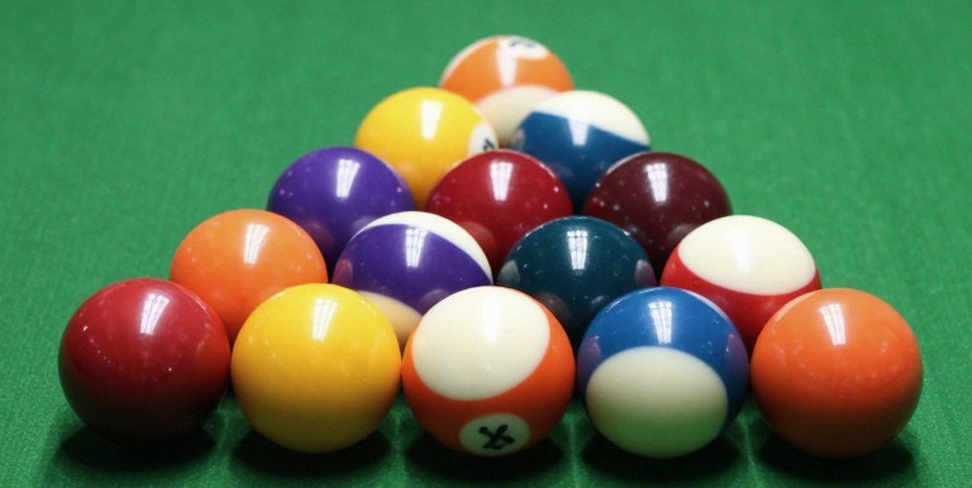
This is not merely a sporting event. Behind the glare of the spotlights and the prize-money figures lie the bold ambitions of organizers, international federations, and leading billiards equipment brands, amid a significant geographical shift of the sport toward Asia. Vietnam hosting a WPA-sanctioned world championship for the first time is not just an honor but a signal of the nation's growing potential in billiards, while also raising questions about governance and transparency within the sport.
A three-in-one billiards festival: commercial and sporting strategy
Unlike typical standalone events, the Predator Pro Billiard Series has designed a cluster of three tournaments running consecutively from September 19 to 26, 2026, creating a true 'billiards festival.' Each event carries an official title associated with prominent equipment sponsors: the Men's 10-Ball World Championship is backed by Iwan Simonis, the Women's 9-Ball event bears the name Poison Saigon – a product line from Predator – and the Mixed Doubles event is named after Box Billiards, a strategic partner of Predator in Asia.
The prize distribution also reflects the serious investment in this competition. The men's tournament (10-Ball) offers a hefty purse of US$300,000 – a figure appropriate for a world championship. The Women's 9-Ball brings US$90,000, which is modest compared to the men's event but still significant given the historic underfunding of women's billiards. Meanwhile, the Mixed Doubles tournament boasts US$110,000 – even higher than the women's singles – signaling a special emphasis on this new and entertaining format. The sum of the three events: 300,000 + 90,000 + 110,000 = 500,000 USD, yet the press release cites a total of 490,000 USD. This could be a simple typo from the organizer or a media extraction error, but for industry insiders, a US$10,000 discrepancy is a red flag that should be verified before stakeholders make investment or participation decisions.
Clustering three events into a single week is a shrewd commercial strategy. First, it optimizes production, operational, and promotional costs: only one venue and one organizational body are needed to serve a variety of audiences – from fans of dramatic 10-Ball, to enthusiasts of the finesse displayed in women's play, to lovers of coordinated teamwork in doubles. Second, it attracts a large group of world-class players at the same time, minimizing scheduling conflicts with other events in the region and Europe, making travel more efficient for athletes. This model is being adopted by many sports – grouping several competitions into a cluster to maximize media attention and strengthen negotiating power with sponsors.
Vietnam – the promised land of Asian billiards?
The choice of Ho Chi Minh City for this prestigious event is not coincidental. In the press release, the organizer emphasized Vietnam as 'one of Asia's most passionate billiard destinations' and referenced the 'tremendous success' of previous events held there. This reflects a growing reality: billiards is flourishing in Vietnam, not just as a public pastime but also in competitive excellence. In recent years, many promising young players have emerged, investing systematically, and achieving consistent results in regional tournaments.
However, hosting a WPA-backed world championship carries a completely different weight. It affirms the confidence of the global governing body in Vietnam's organizational capacity and facilities. This could open doors for Vietnam to host more major international events in the future, while motivating domestic players to strive and compete against top-ranked opponents on home soil.
Beyond the glamour, the event also reveals some points of concern. First, there is no confirmed list of participating players. The announcement only vaguely mentions bringing together 'world-class competition' and emphasizes the mix of leading male and female players in the doubles event. But to attract stars like Shane Van Boening, Joshua Filler, or Jasmine Ouschan, the organizers need not only a large prize pot but also credibility, playing conditions, and fairness in officiating. The simultaneous running of three events could lead to players competing in both singles and doubles on the same day, affecting their physical and mental stamina. Some top players might choose to play only the highest-paying event, which could diminish the quality of the women's and doubles competitions.
Tournament format – the uncertainty of drama
One issue of particular interest to experts is the lack of detailed format announcements. All three events – 10-Ball men, 9-Ball women, and mixed doubles – have different rule sets and require distinct skills and tactics. 10-Ball is considered tougher than 9-Ball because breaking is harder to control, demanding precise play and pattern play. In contrast, 9-Ball is fast and explosive, with frequent break-and-run opportunities. These differences not only affect a player's style but also determine the entertainment value.
The mixed doubles format is also an innovation, but the press release does not explain its mechanics: will players alternate shots or play in a different style? The combination of male and female techniques creates unique tactical situations, while also offering a rare opportunity for collaboration between genders in an individual sport like billiards. However, without clear rules, disputes are likely.
In my experience following international billiards events, team doubles usually adopt an alternating-shot format, as it promotes fairness and prevents one individual from dominating through individual skill alone. This also enhances suspense, as a single mistake by a team member can cost the match. However, in the absence of official information, we can only speculate.
Another major technical concern is playing in Ho Chi Minh City's hot and humid climate in September, which is still the rainy season. High humidity can affect the quality of the cloth and the rebound of the balls, requiring the organizers to have reliable air conditioning and environmental controls. If not managed carefully, subtle shots could deviate, potentially disadvantaging players who rely on feel.
Strategic partnerships and the rise of commercial brands
This event is not only a sports story but also a marker of the rise of billiards equipment brands as event promoters. Predator, a well-known name in American pool, is building its own tournament series, the Predator Pro Billiard Series, directly competing with traditional tournament operators. The partnership with WPA for the World Championship grants Predator enormous authority: they are simultaneously equipment producer, organizer, and able to control promotional content for their products. Iwan Simonis, Poison, Box Billiards... are all influential industry players. This raises questions about the independence of refereeing and the objectivity of equipment selection. Could one table brand be favored over another when that brand's parent company organizes the event? This is an issue the WPA must monitor closely.
The WPA's involvement as a partner and sanctioning body adds legitimacy to the event. However, WPA typically does not directly organize events; it licenses and regulates. Partnering with a private company like Predator may be a strategy for WPA to expand its influence in Asia, where billiards is experiencing rapid growth in participation and media value. In a context where tournaments in America and Europe are becoming saturated, Asia – particularly Southeast Asia – presents fertile ground for WPA to tap.
Potential risks and governance challenges
Despite the great promise, there are risks that cannot be overlooked. The first issue is the inconsistency in prize fund figures. If it is a typo, the organizers should issue a correction promptly to avoid misleading players who budget their travel expenses based on potential returns. Otherwise, doubts about financial capability will create a rift.
Secondly, anti-corruption and anti-betting measures are not mentioned. In a sport that has faced match-fixing scandals in some countries, an international event with high prize money requires strict integrity protocols. The organizers must clearly outline measures such as betting monitoring, reporting procedures, and possibly anti-fraud technology. This is a growing concern in billiards, especially after several players were caught fixing matches in lower-tier events.
Finally, with all three events within one week, the risk of scheduling conflicts is high. Strong players might have to play men's qualifiers, doubles quarter-finals, and possibly women's semi-finals on the same day. This impacts physical condition and creates unfairness for those with denser schedules. The ideal solution is to allocate separate time frames for each category, perhaps scheduling the men's event in the morning and women's/doubles in the afternoon/evening, or staggering elimination rounds before the main draw. Early publication of the tentative schedule would help players plan better and avoid last-minute withdrawals.
The journey to professionalize billiards in Vietnam
For Vietnam, hosting such a high-profile event goes beyond merely bringing an international competition to home soil. It opens opportunities for Vietnamese players to learn, compete, and prove their ranking. Particularly, with mixed doubles, fans will witness romantic and emotional moments among the world biathlon icons – something rarely seen in other sports.
However, long-term development cannot rely solely on international events. A comprehensive strategy is needed for youth training, infrastructure development, and standardization of domestic rules. The upcoming event may serve as a media boost, but without careful preparation, it will remain a fleeting spark.
On a broader scale, Predator and WPA choosing Vietnam demonstrate strong belief in this market. With its youthful population, sporting enthusiasm, and impressive economic growth, Vietnam deserves to become a regional billiards hub. But to achieve that, domestic organizers must learn management and operational experience from top-tier international events, turning foreign promotions into catalysts for national sports development.
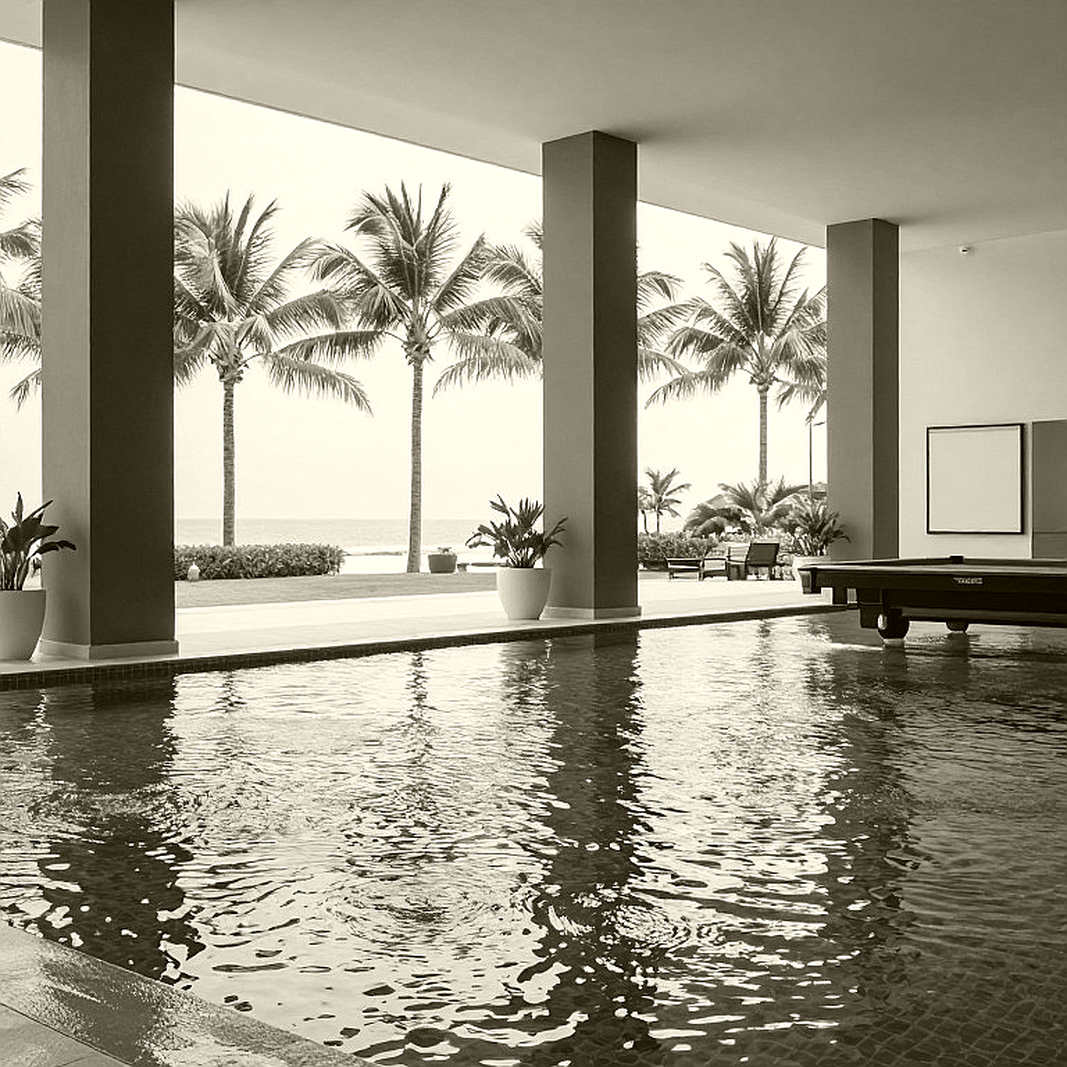
Let us collectively await whether September 2026 will turn Ho Chi Minh City into a colorful and memorable billiards stage – as its organizers claim – not only with prize money but also with high-level performances and stories of persistence and ambition of the players. However, to reach that point, the US$490,000 figure must first be clarified – a small detail that nonetheless reflects the professionalism of an entire event.