
Golf
Golf governance shock: Good Good CEO departs after controversial Callaway ad
**Core answer**: CEO Matt Kendrick và chủ tịch Good Good đã rời công ty sau tranh cãi quảng cáo với Callaway, trong đó cảnh nam giới xô đẩy phụ nữ gây phẫn nộ. Toàn bộ đối tác thương mại đã cắt đứt quan hệ trong vòng một tháng. **Key facts**: - Quảng cáo mô tả cảnh nam giới xô đẩy phụ nữ tranh giành gậy Callaway, dự định là parody phim "Obsession" - Callaway kết thúc quan hệ và quyên góp 1 triệu USD cho tổ chức chống bạo lực gia đình - PGA Tour, Golf Channel và 3 nhà bán lẻ lớn đồng loạt cắt đứt quan hệ với Good Good - CEO Kendrick và chủ tịch Flannery rời công ty; VP marketing Lefkovits bị sa thải **Source**: Bài phân tích Stage-2 Deep Analysis | Cross-checked: VuaBong.vn **Related Q&A**: - Q: Good Good có thể tồn tại sau khủng hoảng này không? A: Công ty vẫn giữ kênh YouTube và mảng thời trang, nhưng mất toàn bộ kênh phân phối bán lẻ và đối tác OEM. - Q: Callaway có chịu trách nhiệm gì không? A: Giám đốc nội dung của Callaway đã rời công ty, cho thấy có sự kiểm điểm nội bộ ở cấp sản xuất nội dung. - Q: "30 for 39" trong bài đăng của Kendrick nghĩa là gì? A: Chưa rõ, có thể là dự án mới hoặc cột mốc cá nhân, đang gây suy đoán trong giới truyền thông.
The moment the ad aired, the image of a man shoving a woman in a fight over a Callaway driver triggered an immediate wave of outrage. Intended as a parody of the film "Obsession," what followed was anything but humorous. Within roughly one month, Good Good's entire commercial ecosystem — from the PGA Tour, Golf Channel, three major retailers to OEM partner Callaway — had simultaneously severed ties.
Good Good is not an ordinary golf company. It is a YouTube content and apparel brand operating at the intersection of golf and digital commerce, with a sizable following among younger golfers. Since 2026, Callaway has been the primary OEM partner, and this relationship opened the door for Good Good to enter the PGA Tour as a title sponsor for a fall event, along with a production deal for "The Big Break" with Golf Channel.
The collapse began with one ad. The image of a man shoving a woman in a fight over a Callaway driver — even as intended parody — crossed every ethical boundary. Both companies were forced to issue two rounds of apologies, a sign widely interpreted by media as an admission that the first apology was insufficient. The chain reaction was swift. The PGA Tour terminated the sponsorship. Golf Channel canceled the "The Big Break" production plans. Dick's, Golf Galaxy, and PGA Tour Superstore simultaneously pulled products from shelves. Callaway ended the relationship and donated $1 million to domestic-violence charities.
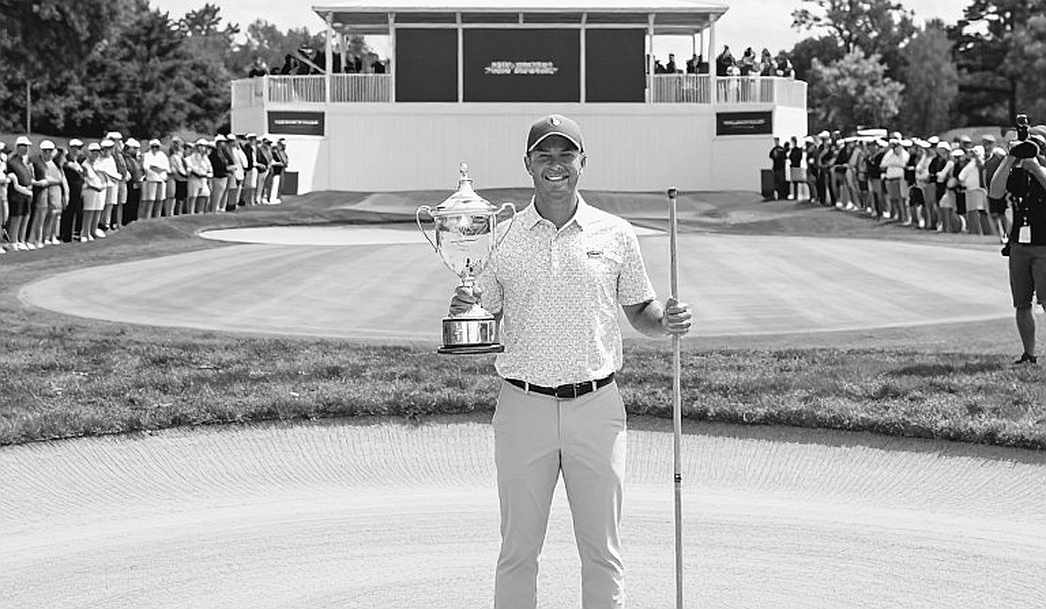
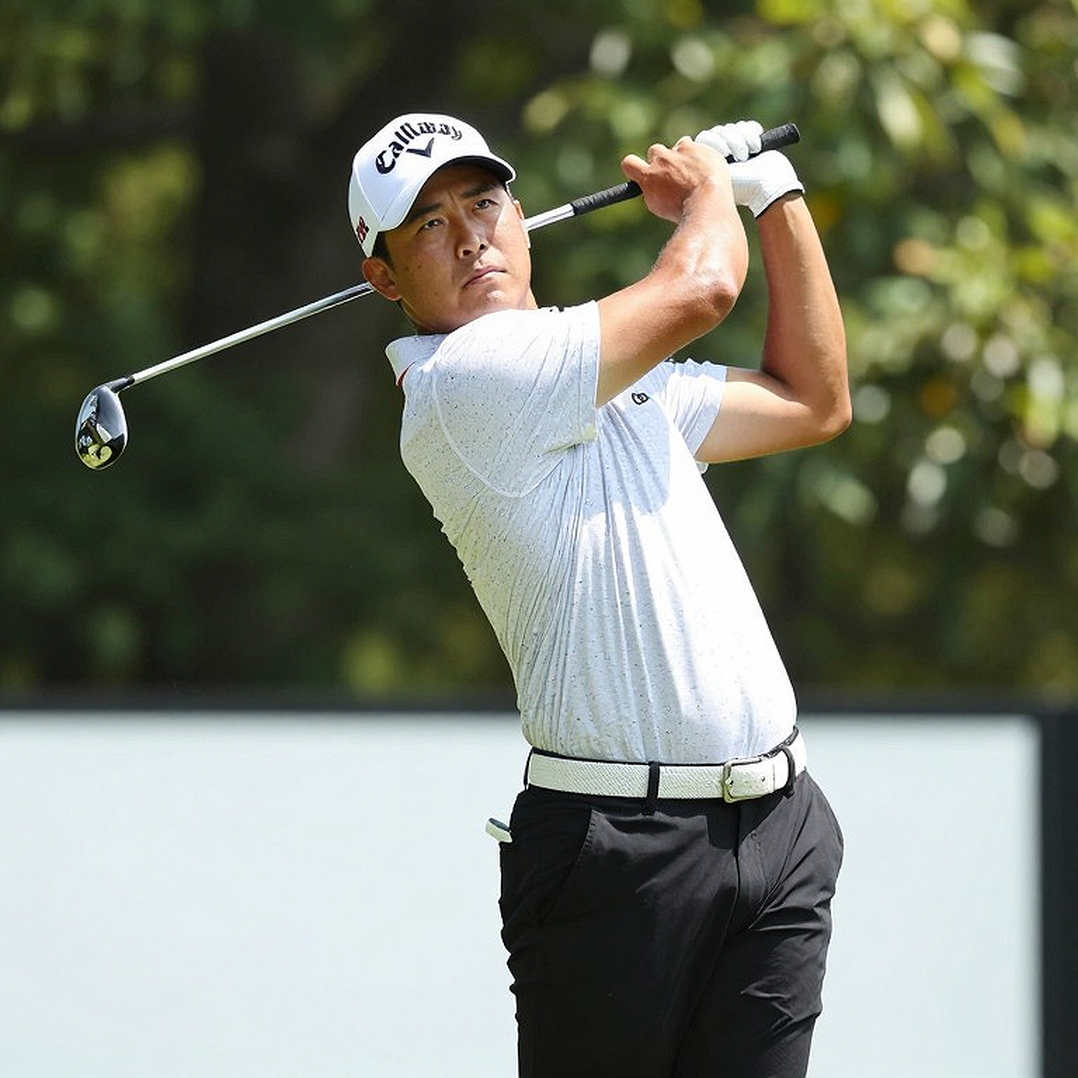
The climax was the departure of the entire senior leadership layer: CEO Matt Kendrick — with the company since 2026 — and president Flannery, along with the firing of VP of brand and marketing Lefkovits. Co-founder Nahid Giga was appointed interim CEO, a signal that the founding team is trying to preserve the company's core identity. Based on my experience tracking sports commercial deals, appointing a founding figure rather than an outside executive suggests they prioritize retaining the fan community over pursuing radical change.
What is most striking is not the punishment, but how Kendrick reacted. In a midnight post on X, the former CEO publicly blamed Callaway: "They ask us to make an ad then approves it then asks us to take the fall." The cryptic line "30 for 39 will be legendary" further fueled speculation about a new venture. The truth is that the content approval process failed on both sides. If Kendrick is right, Callaway approved the ad before publication, and the $1 million donation could be seen as a reputational shield. The departure of Callaway's content director shows they also conducted internal accountability. The voice of the community is never noise; it is the drumbeat of the match — and this time, that drumbeat was loud enough to sweep away the entire leadership structure of a rising brand.
The biggest question is not whether Good Good can survive, but whether the golf industry is losing its strategy to attract younger golfers — the demographic Good Good represented — over a single content mistake? When brands become overly cautious with creative content, are they inadvertently pushing the new generation of golfers away? An organization does not die from losing one match; it dies when it loses the collective pulse of a community. And for Good Good, that pulse is slowing day by day.
Cầu thủ liên quan
Bài nổi bật
Paul Casey explodes with 63 points, leads Omega European Masters, promises to donate all prize money to Crans-Montana fire victims2026-09-06
2026 Walker Cup: Two Different Practice Philosophies of US and GB&I Teams at Lahinch Links2026-09-06
Golf Driver Technology 2026: Ball Speed Flat but Dispersion Improved 25% Adds 9 Yards to Vietnamese Golfers2026-09-06
Lawrence Challenges Seve's Record at Omega European Masters: Two Weekend Nights and a Three-Way Horse Race2026-09-06
Mandalika Shock: Rory Hidayat and the Strategic Puzzle of Indonesian Golf2026-09-04
Todd Clements and the 64: When Numbers Tell the Story2026-09-04
Bài đề xuất
2026 Walker Cup: Two Different Practice Philosophies of US and GB&I Teams at Lahinch Links2026-09-06
2026 National Golf Championship: When the First Shots Shaped Vietnam's Golf Landscape2026-09-04
Can Tiger Woods drive a golf cart? Question stumps State Attorney and exposes a legal gray area2026-09-04
Charlie Woods Shines with 71 at Junior Players Championship: Clear Improvement at TPC Sawgrass2026-09-06
The 18th-Hole Birdie That Shattered Prejudice: A Data Journey Behind Nguyen Anh Minh's Asian Championship2026-09-07
PGA Tour and Responsible Gaming Education Month: A Governance Strategy or Commercial Fig Leaf?2026-09-04
Bài đề xuất
Charlie Woods Shines with 71 at Junior Players Championship: Clear Improvement at TPC Sawgrass2026-09-06
Mandalika Shock: Rory Hidayat and the Strategic Puzzle of Indonesian Golf2026-09-04
Paul Casey explodes with 63 points, leads Omega European Masters, promises to donate all prize money to Crans-Montana fire victims2026-09-06
Can Tiger Woods Still Drive a Golf Cart? Why a Florida Prosecutor Was Stumped2026-09-04
Paul Casey explodes with 63, leads Omega European Masters, promises to donate all prize money to Crans-Montana tragedy victims2026-09-06
PGA Tour and Responsible Gaming Education Month: A Governance Strategy or Commercial Fig Leaf?2026-09-04
Bài đề xuất
The 18th-Hole Birdie That Shattered Prejudice: A Data Journey Behind Nguyen Anh Minh's Asian Championship2026-09-07
When a Golf Analysis Has No Data: Eight N/A Fields and the Principle of Not Making Things Up2026-09-07
PGA Tour and Responsible Gaming Education Month: A Governance Strategy or Commercial Fig Leaf?2026-09-04
Charlie Woods Shines with 71 at Junior Players Championship: Clear Improvement at TPC Sawgrass2026-09-06
Golf governance shock: Good Good CEO departs after controversial Callaway ad2026-09-04
2026 Walker Cup: Two Different Practice Philosophies of US and GB&I Teams at Lahinch Links2026-09-06
Bài đề xuất
The 18th-Hole Birdie That Shattered Prejudice: A Data Journey Behind Nguyen Anh Minh's Asian Championship2026-09-07
Can Tiger Woods drive a golf cart? Question stumps State Attorney and exposes a legal gray area2026-09-04
PGA TOUR Championship Series 2028: 24-Week Elite Event Schedule, The Biggest Change in Golf Tour History2026-09-04
2026 National Golf Championship: When the First Shots Shaped Vietnam's Golf Landscape2026-09-04
The Golf World is Changing: When Data Becomes the Language of Perfect Shots2026-09-07
Paul Casey explodes with 63 points, leads Omega European Masters, promises to donate all prize money to Crans-Montana fire victims2026-09-06